Between professional responsibilities, family commitments, business priorities and everyday demands, taking care of your health can easily move to the bottom of your list. You may want to exercise regularly, eat more mindfully, manage stress and create healthier habits, but finding the time and consistency can feel challenging.
The solution is not necessarily to do more. It is to build a wellness routine that works with your life rather than becoming another responsibility on your schedule.
A sustainable wellness routine is built around small, repeatable habits that support your physical wellbeing, mindset and lifestyle over time. It does not require perfection or an unrealistic daily schedule. It requires a practical approach that you can return to, even when life gets busy.
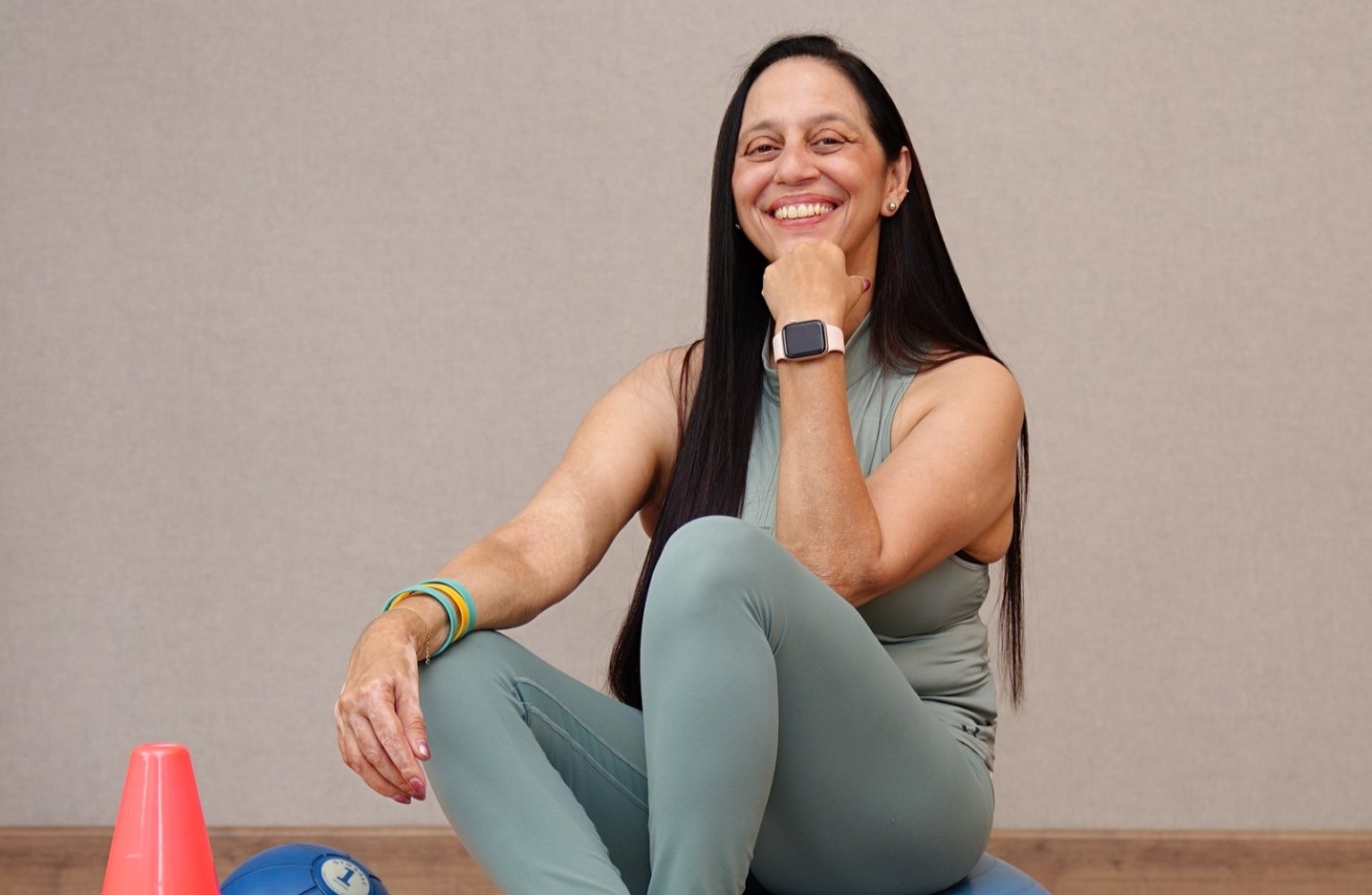
At Dinaz Prime, wellness is approached as a foundation for living well—not another task to complete. Drawing on more than 35 years of experience in fitness and wellness, Dinaz brings together movement, mindset and sustainable lifestyle practices to help people make their health a more consistent part of everyday life.
What Is a Sustainable Wellness Routine?
A sustainable wellness routine is a set of healthy habits that you can maintain within your everyday lifestyle over the long term.
Rather than relying on intense workouts, strict schedules or short bursts of motivation, it focuses on consistency, realistic goals and habits that can adapt to changing circumstances.
A practical wellness routine may include:
- Regular movement suited to your needs and abilities.
- Time to pause, reflect and reset your attention.
- Everyday habits that support physical and mental wellbeing.
- A more mindful approach to your schedule and priorities.
- Consistent choices that make caring for your health easier.
The goal is not to create a perfect routine. It is to establish a realistic foundation for wellbeing that remains relevant during demanding weeks as well as quieter periods.
Why Is It Difficult to Prioritise Wellness When You Are Busy?
When your day is filled with meetings, deadlines, business decisions and family responsibilities, personal wellbeing can feel less urgent than everything else.
There are several common reasons why wellness routines become difficult to maintain.
1. Waiting for the Perfect Time
Many people plan to begin exercising or improving their lifestyle when work becomes less demanding. However, there may always be another project, responsibility or unexpected commitment.
Instead of waiting for a completely free schedule, identify a manageable amount of time that you can protect consistently.
2. Trying to Change Everything at Once
Changing your diet, exercise schedule, sleep routine and daily habits simultaneously can feel overwhelming. When the plan becomes too demanding, maintaining it may become difficult.
Start with one or two realistic habits and build from there.
3. Depending Only on Motivation
Motivation naturally changes. A routine that depends on feeling inspired every day can become inconsistent when you are tired, distracted or under pressure.
Simple habits, a regular time and a realistic plan can make it easier to continue even when motivation is low.
4. Treating Health as a Separate Project
Wellness can feel like an additional task when it is disconnected from your everyday life.
A more practical approach is to integrate movement, moments of stillness and healthier choices into your existing routine.
7 Practical Ways to Build a Sustainable Wellness Routine
1. Start With Small, Achievable Habits
You do not need to redesign your entire day to begin caring for your health.
Start by identifying one or two habits you can realistically maintain. This could mean setting aside time for movement, taking a short break between demanding tasks or creating a regular moment to pause.
Choose habits that fit your current circumstances rather than an idealised version of your schedule.
The key principle: Start small enough to be consistent, then adapt as your routine develops.
2. Make Movement Part of Your Day
Physical activity does not always need to involve a long gym session or a complicated workout plan.
Depending on your needs and abilities, movement could include walking, mobility exercises, stretching or a structured exercise session. You can also look for opportunities to move during your working day.
For example:
- Take a short walk during a suitable break.
- Stand up and move between long periods of sitting.
- Schedule movement at a time you can realistically protect.
- Choose activities you enjoy and can continue regularly.
If you have a medical condition, an injury or specific exercise limitations, seek appropriate professional guidance before changing your activity routine.
The objective is to make movement a repeatable part of your lifestyle rather than something you do only when you have extra time.
3. Give Your Mind Time to Reset
A busy schedule does not only affect your body. Constant decisions, notifications and responsibilities can leave little room to pause and regain your focus.
A short, intentional break can create an opportunity to step away from distractions and reconnect with the present moment.
You might use a few minutes for quiet reflection, comfortable breathing or a guided meditation. Choose a practice that feels appropriate for you and that you can repeat without adding unnecessary pressure.
Mindset is also important when building healthier habits. Instead of thinking, “I never have time for wellness,” ask, “What is one realistic step I can take today?”
That small change in perspective can help you move from frustration towards action.
4. Build Your Routine Around Your Real Schedule
A wellness plan should work with your responsibilities, not compete with them.
Look at your typical week and identify the times when a healthy habit is most likely to happen. For some people, that may be before work. For others, it may be during a midday break or after professional responsibilities have eased.
Try these simple steps:
- Identify the habit you want to establish.
- Choose a realistic time for it.
- Decide what you will do and for how long.
- Prepare what you need in advance.
- Review the routine after a week and adjust it if necessary.
Avoid creating a plan that only works on your least busy day. Your routine should be flexible enough to accommodate ordinary life.
5. Focus on Consistency Rather Than Intensity
One of the most useful principles in sustainable wellness is to focus on what you can maintain.
An ambitious routine may look impressive on paper, but it can be difficult to sustain when your schedule changes. A simpler routine that you can repeat may be more practical over time.
This does not mean avoiding challenge or progress. It means building a foundation before increasing the demands you place on yourself.
If you miss a planned session, return to your routine at the next suitable opportunity. One missed day does not have to become a reason to abandon the entire plan.
6. Make Your Environment Support Your Habits
Healthy intentions are easier to act on when your surroundings support them.
You can make small adjustments to reduce the effort involved in following your routine:
- Keep comfortable movement clothing ready.
- Schedule wellness time in your calendar.
- Reduce unnecessary distractions during your chosen practice.
- Prepare for the next day when possible.
- Share suitable wellness goals with family members or supportive colleagues.
These adjustments can help make healthy habits more accessible, particularly during demanding periods.
7. Review and Adapt Your Routine
Your responsibilities, energy levels and priorities can change. A sustainable wellness routine should be able to change with them.
At the end of each week, ask yourself:
- Which habits did I manage to maintain?
- What made them easier or more difficult?
- Did my routine fit my actual schedule?
- What is one adjustment I can make next week?
Use your answers to improve the routine rather than judging yourself for what did not go according to plan.
Wellness is an ongoing practice, not a test of perfection.
How Much Time Do You Need for a Daily Wellness Routine?
There is no single amount of time that works for everyone. Your needs, abilities, health goals and existing activity levels all matter.
However, a useful starting point is to identify a manageable daily commitment and build from there.
Dinaz’s 18/9 Mind-Body Code offers one structured approach: 18 minutes of focused movement followed by 9 minutes of guided meditation or reset, creating a 27-minute daily practice.
The method reflects a practical principle: make space for both body and mind without requiring an unnecessarily complicated routine.
The 18/9 Mind-Body Code is a wellness framework, not a promise of a particular health outcome or a substitute for individual medical advice. The right approach and level of activity will depend on each person’s circumstances.
Explore the 18/9 Mind-Body Code to understand the methodology in more detail.
A Simple Example of a Wellness Routine for Busy Professionals
If you have a demanding workday, begin with a routine that feels manageable rather than trying to fit every wellness activity into one morning.
Here is an illustrative structure you can adapt:
Morning: Set aside time for movement or your chosen wellness practice.
During the workday: Take appropriate movement breaks and make space for a brief pause between demanding tasks.
Evening: Review your day, prepare for tomorrow and create a realistic opportunity to wind down.
Weekly: Reflect on what worked, what felt difficult and what you want to adjust.
This is not a fixed prescription. You can adapt the timing, duration and activities to your schedule, preferences and health needs.
The most useful routine is one that supports your life and is realistic enough to repeat.
Wellness for Entrepreneurs, CXOs and Senior Professionals
For entrepreneurs, business owners, senior professionals and leaders, the challenge is often not a lack of awareness about health. It is finding a practical way to prioritise wellbeing alongside significant responsibilities.
When your calendar is shaped by decisions, deadlines, teams and competing demands, wellness needs to be more than a collection of good intentions.
A sustainable approach can begin with three questions:
- What aspects of my wellbeing am I consistently postponing?
- Which habits could realistically fit into my current schedule?
- What support would help me follow through over time?
Dinaz Prime’s wellness ecosystem offers different levels of support for people with demanding lives.
ZenLife Awakening is a 45-day leadership health reset designed to help participants reassess their routines and begin rebuilding a more sustainable approach to health.
ZenLife Mastery is a premium six-month wellness journey for people seeking a longer-term commitment to health, mindset and lifestyle transformation.
Personalised Coaching offers private, high-touch guidance shaped around an individual’s lifestyle and goals.
For organisations, Corporate Health Solutions include leadership health, executive wellness, corporate wellness programmes, workshops, masterclasses, leadership retreats and speaking engagements.
Each offering serves a different need. The appropriate option depends on your goals, circumstances and the level of support you are looking for.
Explore Dinaz Prime’s wellness services to find the approach that best fits your needs.
How Can Families Build a Sustainable Wellness Routine?
Wellness does not have to be an individual effort. Families can build supportive habits by making movement, mindful choices and time together part of everyday life.
Rather than introducing a strict schedule for everyone, start with small changes that suit the family’s needs.
You could:
- Find enjoyable ways to be active together.
- Establish consistent routines where practical.
- Make time for shared activities away from screens.
- Encourage each family member to participate in ways that suit their age and abilities.
- Focus on progress and participation rather than perfection.
The aim is to create a family environment where wellbeing is supported through everyday choices.
Dinaz Prime’s Family Health Solutions are designed around family health, lifestyle guidance and the development of more sustainable habits.
Learn more about Family Health Solutions.
What If You Keep Starting and Stopping?
If you have repeatedly started a wellness routine and struggled to maintain it, consider whether the plan itself is too demanding.
Instead of beginning again with a completely new set of goals, return to the basics.
Make the routine smaller. Reduce the commitment to something realistic.
Reconnect it with your priorities. Remind yourself why your wellbeing matters.
Plan for difficult days. Decide in advance what a simpler version of your routine could look like when time is limited.
Avoid all-or-nothing thinking. An imperfect week does not erase the habits you have already developed.
Seek support if needed. Personalised guidance can help you clarify your priorities and build a routine around your circumstances.
Sustainable change is not about never losing momentum. It is about learning how to return to the habits that matter.
Dinaz’s Approach to Sustainable Wellness
With more than 35 years of experience in fitness and wellness, Dinaz’s work reflects a broader understanding of health that extends beyond traditional fitness routines.
Her approach places importance on the relationship between movement, mindset and everyday lifestyle choices. Rather than treating health as an isolated project, the focus is on building practices that can become part of the way people live.
This philosophy is particularly relevant to people who have demanding schedules and need a realistic approach to their wellbeing.
The 18/9 Mind-Body Code expresses this principle through a structured daily practice, while Dinaz Prime’s coaching and wellness programmes offer different forms of support for individuals, families, leaders and organisations.
The underlying idea is straightforward: your wellbeing deserves a place in your life, even when life is busy.
Frequently Asked Questions
1. How do I start a wellness routine when I have no time?
Start by choosing one manageable habit and identifying a realistic time for it. This could be a short movement session, a brief guided meditation or another healthy practice suited to your needs. Build consistency before making the routine more demanding.
2. What should a daily wellness routine include?
A daily wellness routine may include movement, time to pause and reset, and habits that support your overall lifestyle. The right combination depends on your needs, preferences, abilities and health goals.
3. How can busy professionals stay consistent with wellness?
Busy professionals can improve consistency by scheduling wellness time, keeping the routine realistic, preparing in advance and having a simpler alternative for demanding days. Reviewing the routine regularly can help identify what needs to change.
4. What is the 18/9 Mind-Body Code?
The 18/9 Mind-Body Code is Dinaz’s wellness methodology combining 18 minutes of focused movement with 9 minutes of guided meditation or reset, creating a 27-minute daily practice.
5. Is a short wellness routine enough?
A short routine can be a useful starting point for establishing consistency, but it may not meet every person’s health or fitness needs on its own. Your overall activity, lifestyle and individual circumstances should guide your approach.
6. What is the difference between wellness coaching and personal fitness training?
Personal fitness training generally focuses on exercise and physical fitness. Wellness coaching can take a broader view of lifestyle habits, mindset, movement and sustainable wellbeing. The scope of support depends on the individual programme and provider.
7. Can wellness coaching help entrepreneurs and senior professionals?
Wellness coaching may help individuals clarify their goals, identify practical habits and develop a more structured approach to wellbeing. The most suitable programme depends on their needs and the type of guidance offered.
8. What wellness programmes does Dinaz Prime offer?
Dinaz Prime offers ZenLife Awakening, ZenLife Mastery, Personalised Coaching, Family Health Solutions, Corporate Health Solutions and Wellness Retreats. The 18/9 Mind-Body Code is Dinaz’s signature mind-body methodology.
Make Wellness Part of Your Life
You do not need to wait for a quieter month, a less demanding job or a perfectly organised schedule to begin prioritising your wellbeing.
Start with one realistic habit. Make room for movement. Give yourself time to pause. Review what works and build from there.
Over time, these small, repeatable choices can help create a more intentional relationship with your health.
At Dinaz Prime, the focus is on making wellness more practical, personal and sustainable—so that caring for yourself becomes part of your life, not another task on your list.
Ready to explore a wellness approach that fits your life?
Discover Personalised Coaching, explore the 18/9 Mind-Body Code or view all Dinaz Prime services to find a suitable next step.